Hi Adopter,
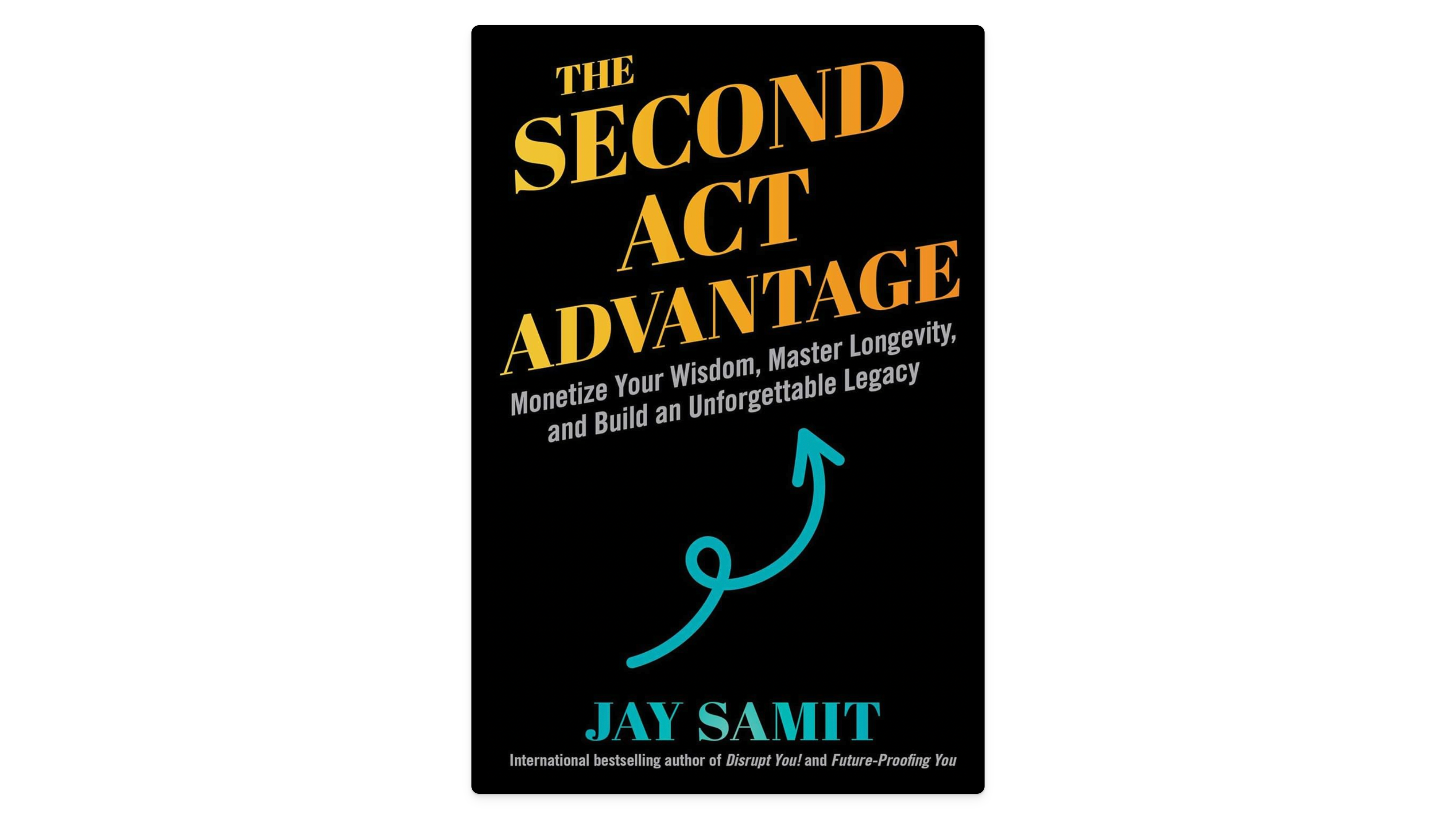
Jay Samit signed The Beatles to their first digital deal at EMI, ran digital at Sony, and was vice chairman of Deloitte Digital.
He sat down with me this week and dropped one sentence that reframes the entire AI displacement debate:
“You’re not going to lose your job to some omnipotent AI that does everything. You’re going to lose it to somebody, or some company, that’s using AI better than you.”
The threat isn’t the machine. It’s the human leveraging it. Here are the four ideas from that conversation worth keeping.
The frame most people get wrong
Most AI displacement coverage reads like science fiction. Robots replacing humans. Skynet for accountants. Useless for anyone trying to protect their job or their client list.
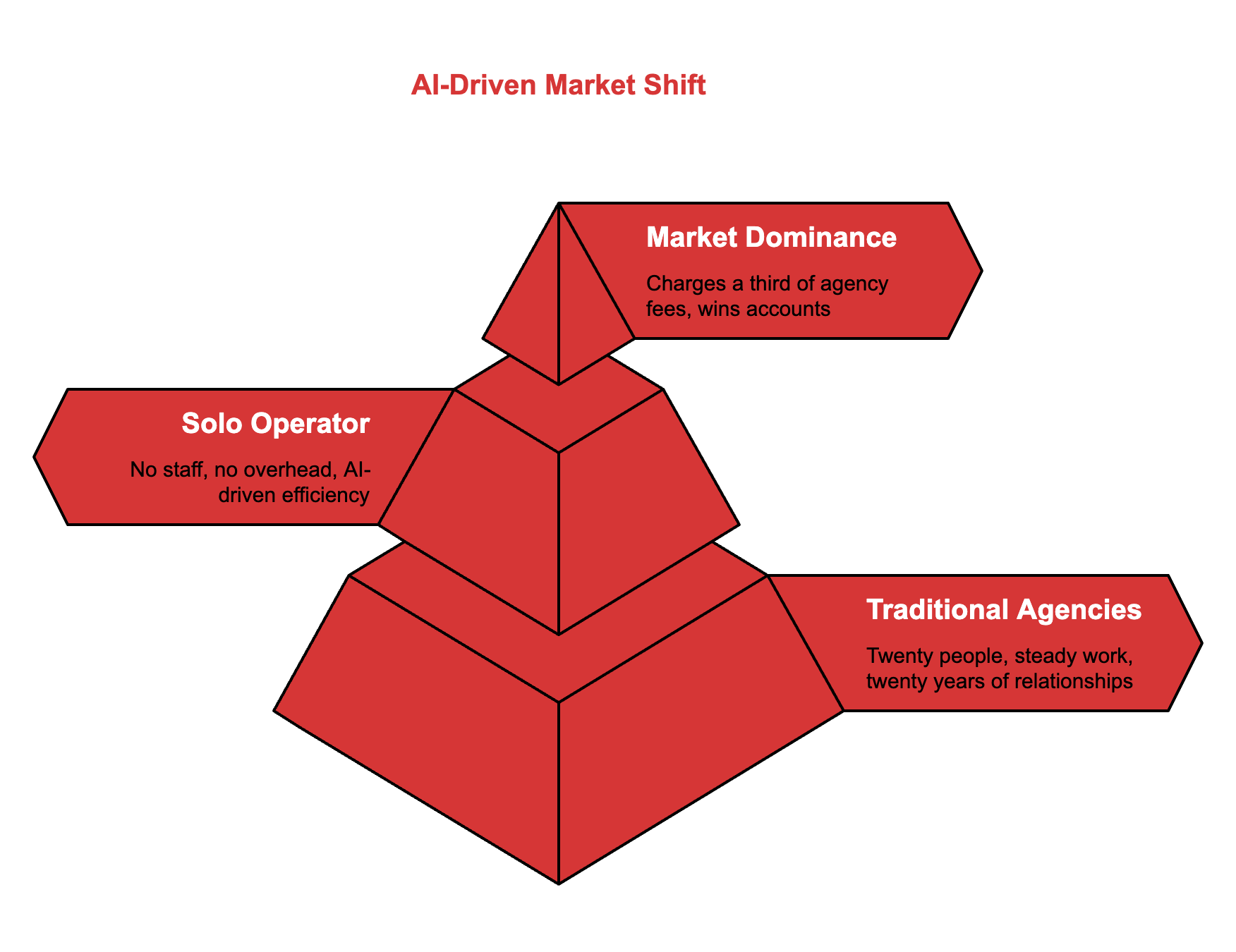
The real displacement is quieter. Picture a small ad agency. Twenty people, steady work, twenty years of relationships. Now picture a solo operator with the same client list. No staff. No overhead. AI writes the copy, designs the creative, runs the dashboards. She charges a third of what the agency does.
Nobody got replaced by a robot. A person with better tools won the account.
Which raises the question: who in your market is already doing this?
Foxconn and the uneven future
Samit sits on a board with someone from Foxconn, the company that makes your iPhone. They used to employ three million people across Southeast Asia. Today they run nine lights-out factories. Lights out because nobody’s home. No humans on the floor.
Three million jobs. Nine factories. The displacement isn’t spread evenly across the economy.
Whatever statistic you’ve heard about 30% of work disappearing, the pattern looks more like this: some industries get gutted overnight, some accelerate. The people who win read which side of the line they’re on and reposition before it moves.
The harder question is what happens inside organisations that aren’t paying attention.
It’s not their job to get it
Samit spent two decades inside Fortune 1000 companies translating the future for executives who wouldn’t listen. He’d lay out the case, walk out, and wonder why nobody saw it. Twenty years in, the epiphany:
“It’s not their job to get it. They’re happy where they are, doing what they are, until the knock comes on the door, the pink slip comes, and then they go, why didn’t I see it.”
If you’ve tried to push an AI initiative inside a company that wasn’t ready, you know this frustration. The data is right. The case is clean. The room nods, smiles, schedules a follow-up that never happens.
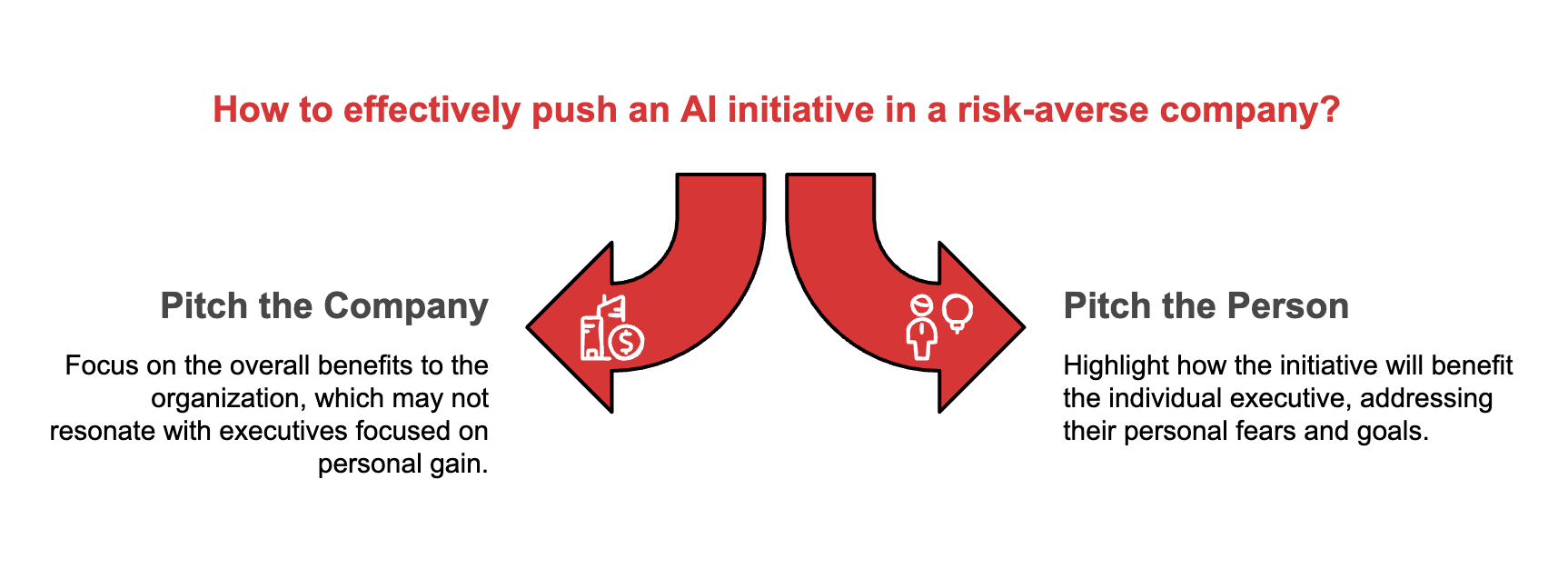
The fix isn’t a better deck. The fix is changing who you’re talking to and what you’re saying. Stop pitching the company. Pitch the person.
That executive isn’t paid enough to care about transformation. They’re paid enough to show up and not get fired. Their fear isn’t strategic, it’s personal. Their bills, their bonus, their next role. Make their next quarterly review easier. Make their boss notice them. Put a quiet, professional urgency in the room that if you walk out without a yes, your next meeting is with their competitor.
That isn’t a sales hack. It’s the mechanism by which change moves through risk-averse organisations. Every consultant who has shifted a Fortune 500 needle knows this. Most won’t say it out loud.
So the displacement question has an answer. But what about the people on the other side of it?
The half nobody tells
Samit’s book is about people in the middle of their careers, watching the ground shift, wondering if they’re already late. His answer runs opposite to the panic the headlines sell. Founders over 50 succeed with VC funding three times more than founders under 50. The human brain doesn’t fully mature until the 60s. Experience, network, and judgement compound with the leverage of AI.
The story we’ve been told about youth and disruption is half the story. Every previous wave of technology rewarded the people who already knew the terrain. AI is the same. The reason it scares people is they think the rules changed. The rules didn’t change. The pace did.
What to do this week
One question. Who in your market is getting better at AI faster than you are? If you can’t name them, you’re not paying enough attention. If you can name them, you have a problem to solve.
The Second Act Advantage is on pre-order now, ships May 5. It comes with an AI companion trained on Samit’s body of work: books, Wall Street Journal columns, decades of speeches. Worth studying as a model for what every expert with intellectual property should be building.
“AI is as dumb as it’ll ever be.” Whatever you think it can’t do today, it’ll do next year. Build accordingly.
Adapt & Create,
Kamil
If this resonates with you, feel free to check out Jay’s substack and tell him Kamil sent ya!