Hi Adopter,
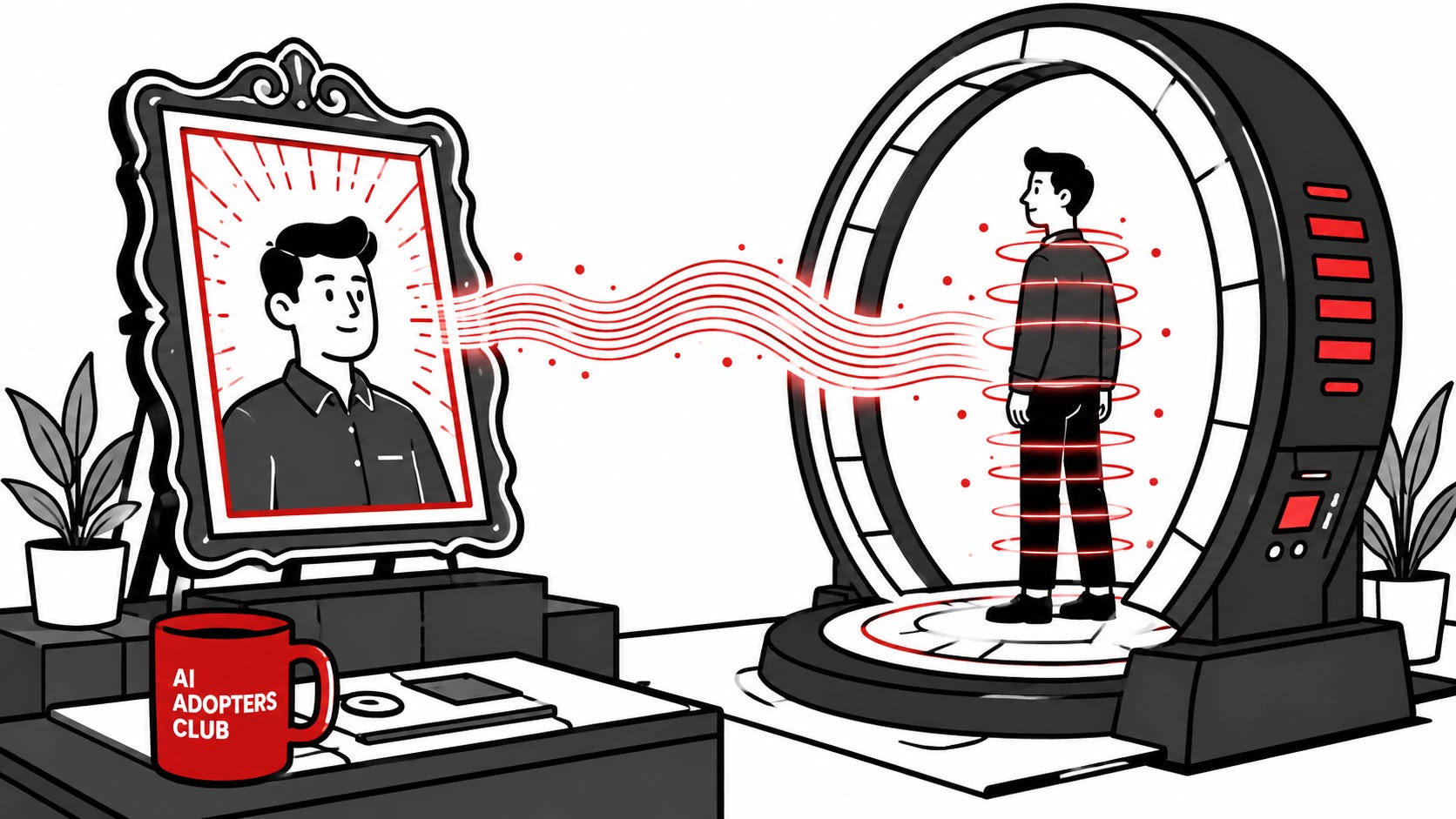
Midjourney spent three years turning text prompts into AI images on Discord. This week it announced it is building a machine to scan the inside of your body.
Not a metaphor. A literal full-body ultrasound scanner, which founder David Holz pitched as “as powerful as an MRI, and as casual as a trip to the spa.” The stated plan is to put 50,000 of them in service by 2031 and run a billion full-body scans a month. Half the internet is calling it the future of medicine. The other half is asking why an art app is suddenly doing radiology.
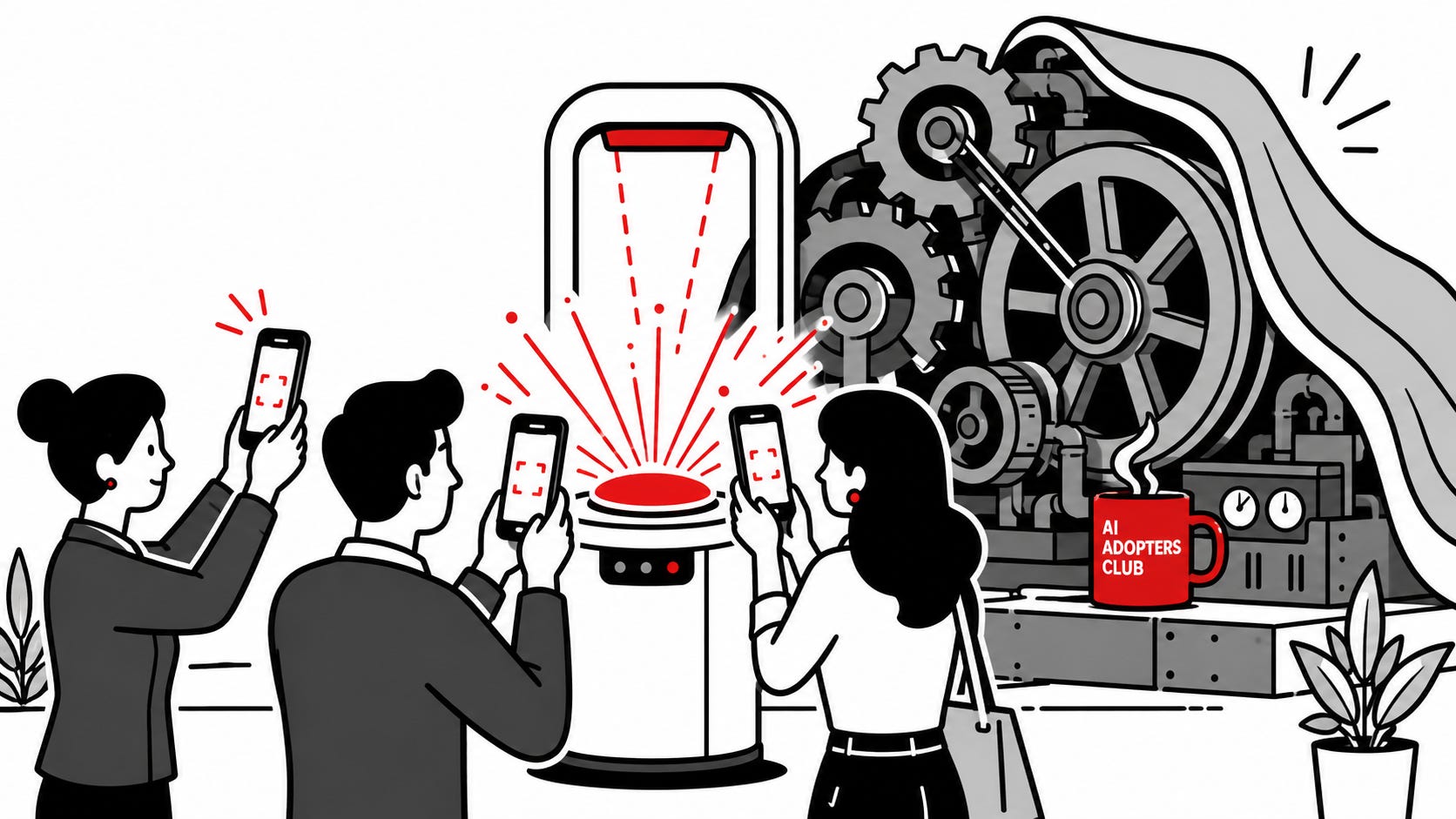
Both are staring at the wrong object. The scanner is misdirection. What Midjourney is actually building is a data flywheel, and the entire spa is engineered to spin it.
That is the lesson worth your time this week, because it has almost nothing to do with ultrasound and everything to do with how durable AI companies get built. Three weeks ago this newsletter showed you Tesla running this exact machine at full speed, 1.28 million cars on paid Full Self-Driving, generating training data on every mile they drive. Midjourney is the same machine at the opposite end of its life. The wheel has not turned a single time yet.
Why an image company is building medical hardware
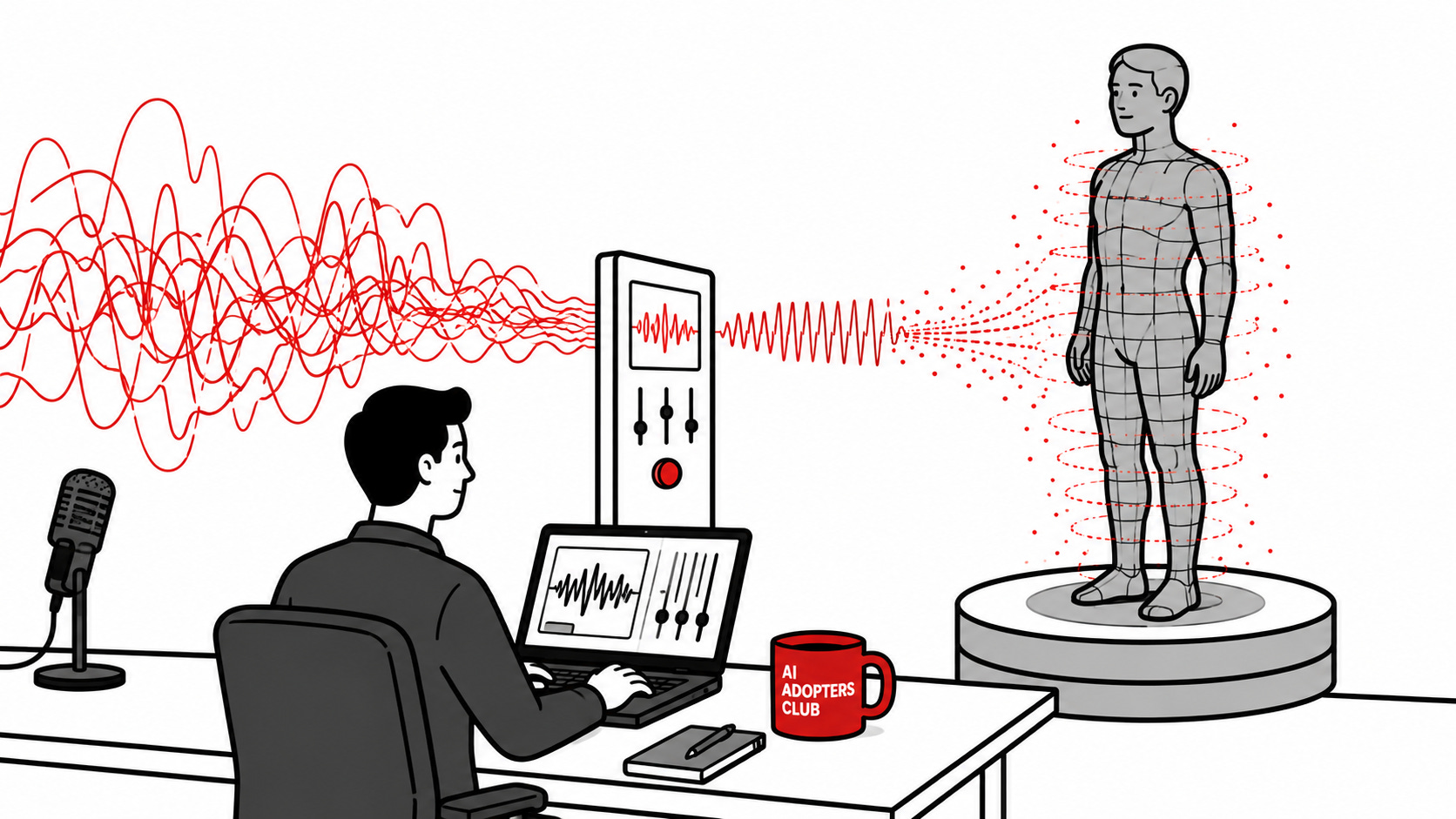
On paper it makes no sense. On a second look it is the most logical move the company could make. Midjourney’s core skill was never “art.” It was reconstruction, taking messy, incomplete signal (a text prompt, a field of random noise) and resolving it into a coherent image. A full-body scanner does the same trick with a different input. It fires sound through water, captures the scrambled acoustic echoes, and reconstructs them into a three-dimensional picture of your insides. The domain changed. The problem did not.
The hardware is mostly rented. Midjourney licensed the ultrasound chips from Butterfly Network, a medically credentialed company with FDA clearances and more than 150,000 devices already in the field, under an agreement worth up to 74 million dollars over five years. The current prototype packs 40 of Butterfly’s ultrasound-on-chip modules into a ring of roughly half a million tiny transducers. Midjourney did not invent the sensor. It rented the sensor and kept the part that compounds.
And here is the tell that this is early. Holz said the quiet part out loud: “We’re not even using any AI in this yet, just really cool hardware and software.” The company has scanned about a dozen people. The headline “60 second scan” is a target, while the current prototype takes around twenty minutes. There is no FDA clearance, no peer-reviewed validation, and the AI that is supposed to read these scans does not exist yet.
So why announce it now, with nothing to show but a prototype and a dozen volunteers? Because the announcement is not the product either.
The scanner is not the product
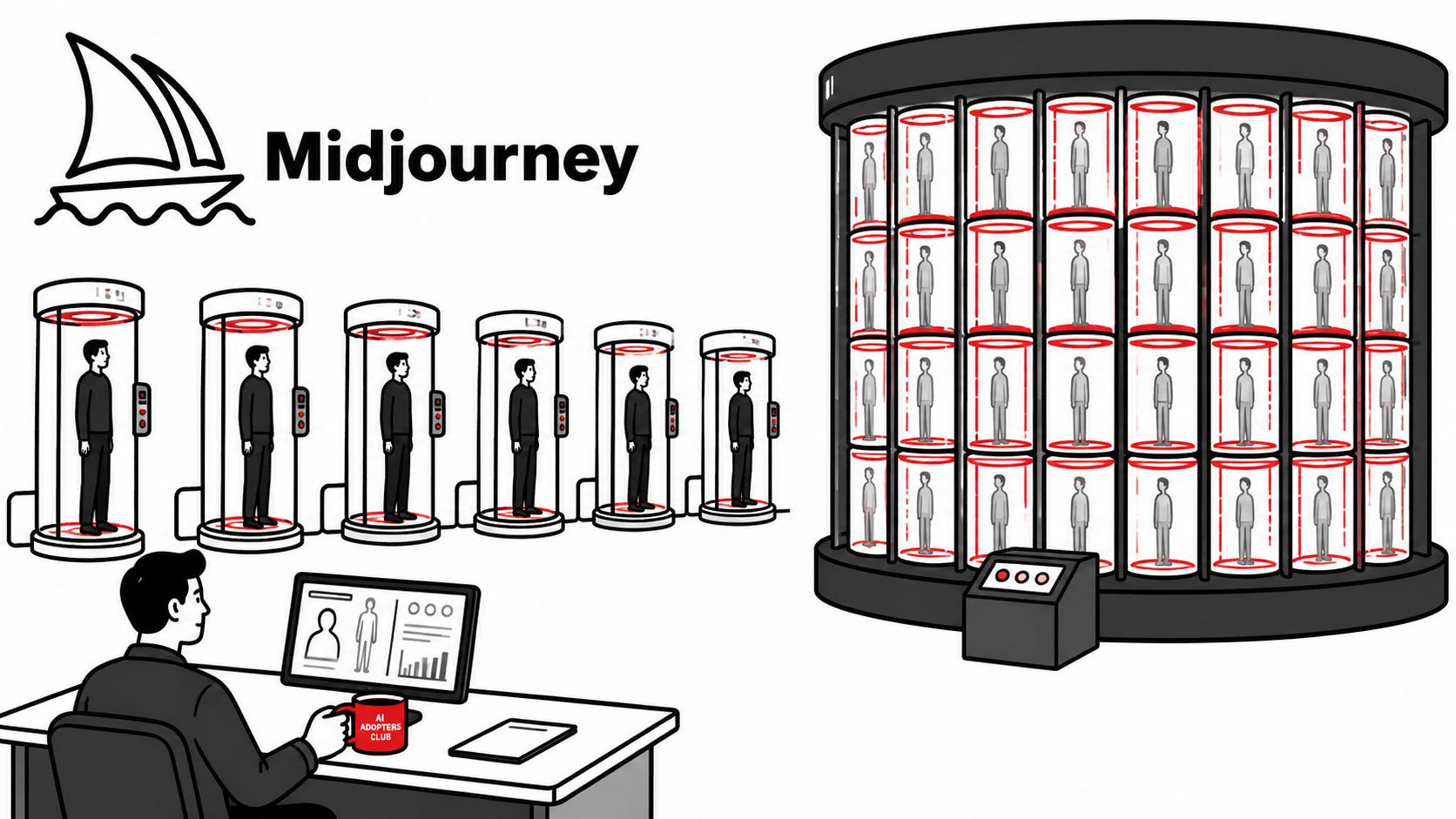
Anyone can buy what Midjourney bought. Butterfly will happily sell its chips to the next twelve startups that call. The hardware is a commodity the day it ships. What is not a commodity is the thing the scanner produces once people start stepping into it: the largest library of labeled, repeat, whole-body scans ever assembled.
That library is the moat. Every scan trains the reconstruction model to be sharper. Every labeled organ trains the segmentation model to be more accurate. Every repeat visit turns a single snapshot into a time series, which is where the real medical signal lives, because a structure that changed since last year tells you far more than a hundred that look normal in isolation. None of the competitors licensing the same chips will have that library, because none of them designed the business to collect it.
The competitors can buy the identical scanner. None of them can buy the millions of scans that make the scanner smart. That gap is the entire strategy.
This is what reframes the spa, too. The spa is not luxury branding. It is the fuel pump. A data flywheel only spins if people come back, and people do not come back for a clinical procedure in a cold hospital gown. They come back for something that feels like a treat. Lower the friction and the dread, and visit frequency goes up. Visit frequency is data velocity. Data velocity is how fast the wheel turns. “As casual as a spa” is not a marketing line. It is the most important engineering decision in the entire system.
Which is exactly why the honest verdict matters. Midjourney has the blueprint for a flywheel and not one real data point inside it yet. Whether the wheel ever spins depends on questions nobody has answered, and those questions are where this stops being a tech story and starts being useful to you.
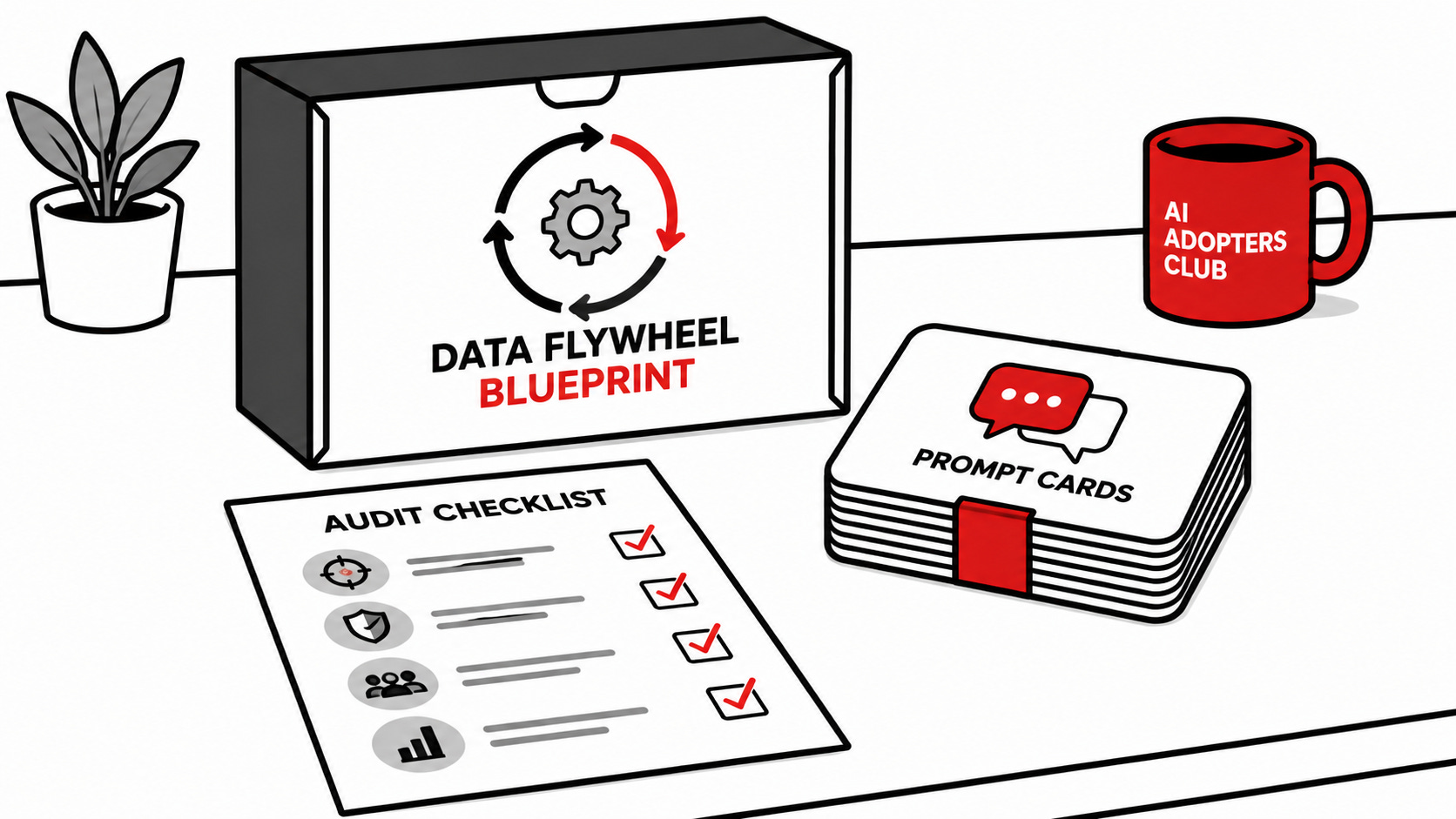
Below, the part you can actually use this week:
Full Case Study PDF
The four design choices that build a data flywheel before you have a single customer, each one mapped to a business that will never own a scanner
The five-question audit that separates a real flywheel from a pretty diagram, so you stop funding the diagram
The wedge strategy that lets you start collecting proprietary data this quarter without asking anyone’s permission
The three failure modes already visible in Midjourney’s plan, and how to design around each one