

Hey Adopter,
Your Saturday read. Today’s Adapt & Create is Do the Thing You Hate Doing; And Then Don’t Post About It, about choosing a worthwhile difficulty when nobody’s making you do it, with a short recording if you’d rather listen.
AI this week
ChatGPT Enterprise found the purchasing shortcut: its November 9 arrival in AWS Marketplace gives eligible companies an existing route to buy it, leaving leadership to decide what happens after procurement. Announcement
IBM and Microsoft pitched an AI-agent factory: their November 10 Imagine Enterprise announcement puts building, running, and governing industry agents in one platform, with business results still to be demonstrated. Announcement
Your company has another front door: OpenAI’s Businesses in ChatGPT beta, announced November 10, makes accurate company information inside ChatGPT another responsibility for marketing and service teams. Announcement
Claude pulled up a chair: after Sheets and Whiteboards on November 10, its Meetings beta began rolling out November 12 to eligible Team and Enterprise plans on Google Meet, so teams need to assign who checks its work and owns the follow-up.


The job changed before the job description
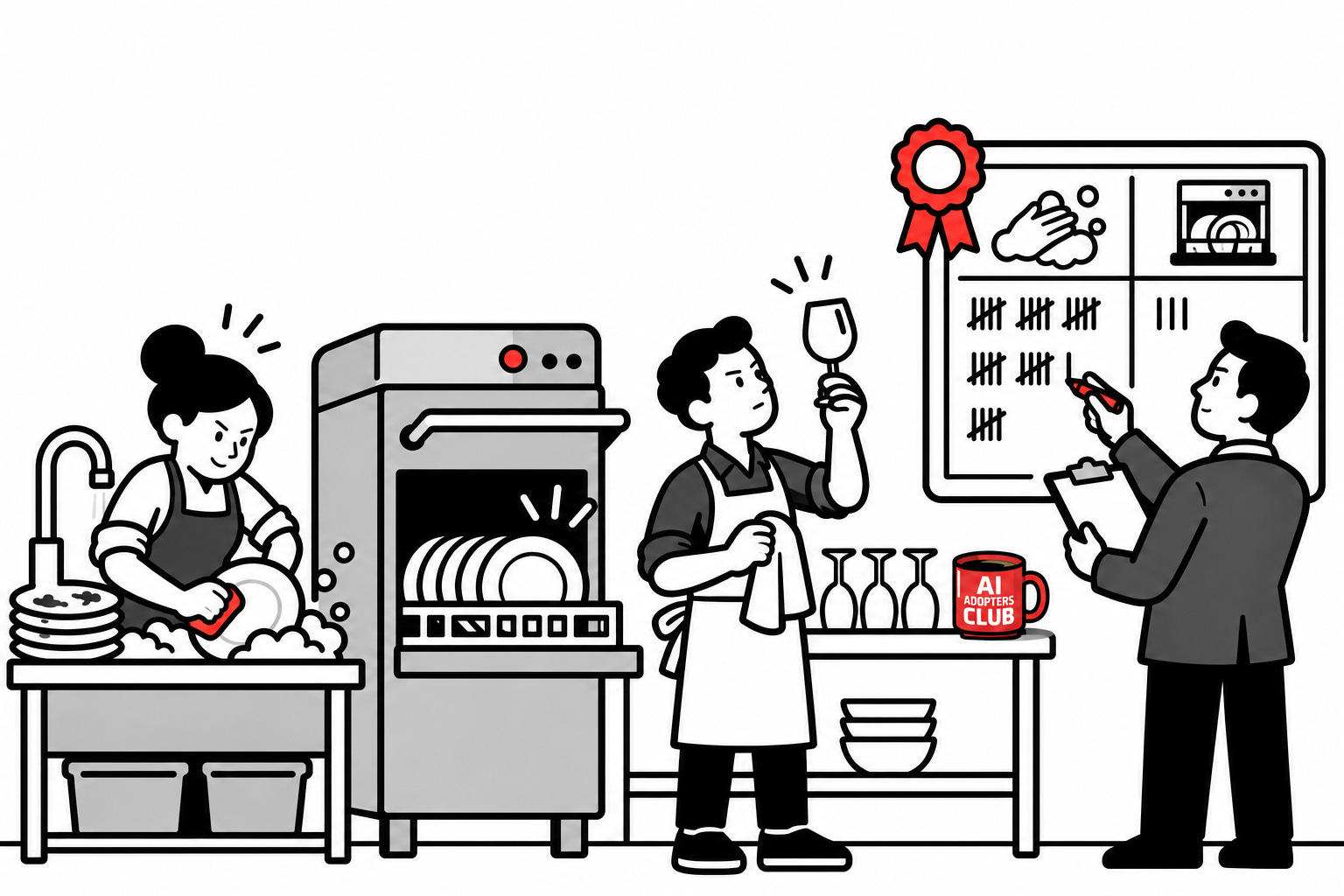
Say you install a dishwasher in a restaurant, then hand out bonuses for how many plates people wash by hand.
You shouldn’t be surprised when the team keeps scrubbing. You’ve bought a useful machine and given everyone a reason to ignore it.
Even with sensible targets, somebody has to load the thing, check what comes out, and deal with the wineglass that shouldn’t have gone in. The work changes around the machine.
Your AI rollout needs the same reset: decide which tasks move, who checks the result, and how the job will be assessed.
Kyndryl’s report this week surveyed 3,700 senior business leaders across 21 countries. Nearly half, 48%, said they’d substantially changed their AI strategy this year. Only 27% had formally updated roles and responsibilities around AI, and 29% had fully implemented change management.
These are leaders’ self-reported answers. They don’t prove that changing job descriptions creates returns. They do give us a concrete question to ask inside our own companies.
If AI is doing part of somebody’s job, what have we agreed their job becomes?
An employee can learn to produce a first draft with AI. That doesn’t settle who checks its claims, who approves an exception, or how that employee gets assessed. Those decisions need the manager and the person who owns the process.
Otherwise, the enthusiastic employee can end up doing the old job plus supervising the new system. Then we wonder why adoption feels like extra work.
Rewrite one work agreement
Pick a recurring workflow and sit down with the people doing it. Give these four questions written answers.
What work stops? Name the manual step AI will take over, and when the old step can be retired after checks. If the team must duplicate everything indefinitely, include that time in the cost.
What does the person still own? Be precise about the judgment they must exercise and the result they’re accountable for. “A human checks it” needs a named person, agreed checks, and time to do them.
Who handles the awkward cases? Decide what gets escalated, to whom, and who can pause the workflow. Responsibility needs enough authority to act when something goes wrong.
What counts as doing the job well? Update the target to match the work you want. A support team might measure correctly resolved requests and reopened cases, rather than how many replies it generates.
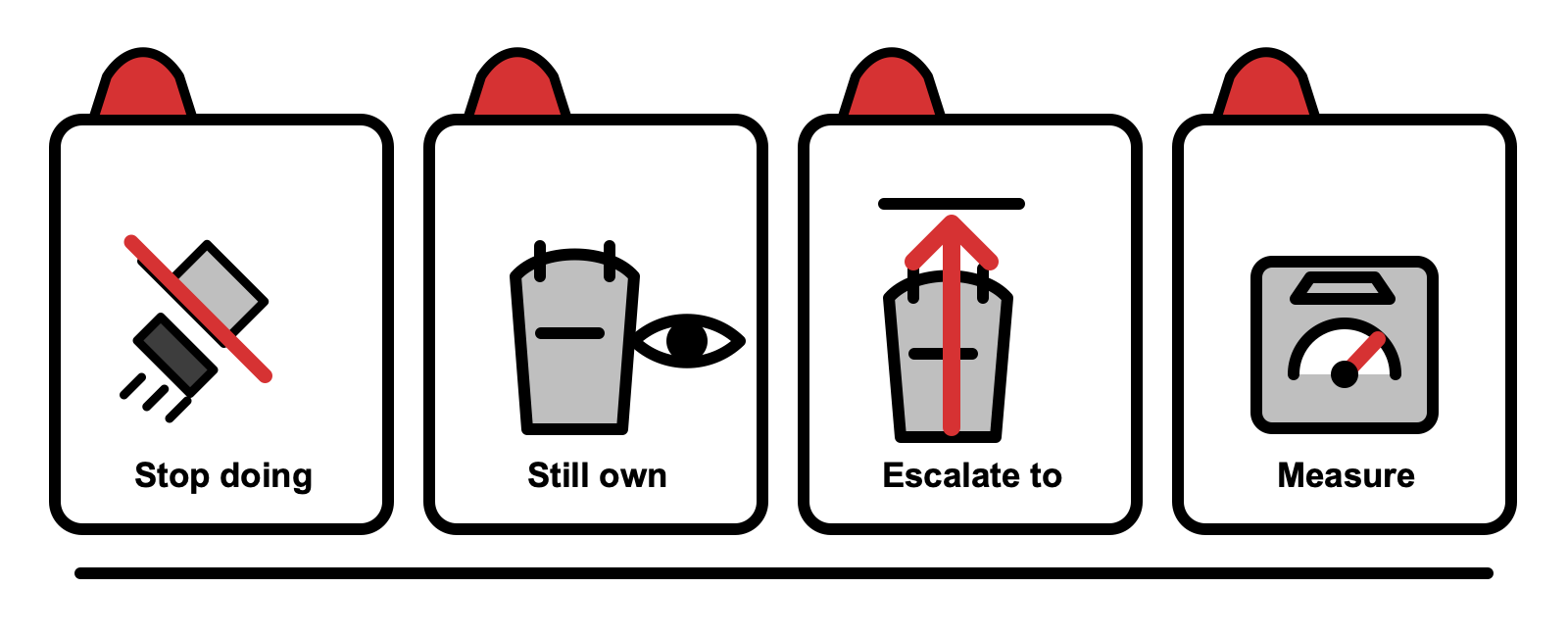
Four questions for a proposed work agreement.
Try it on a real job
Say AI drafts your team’s refund replies. You could agree that the rep checks the order and policy, approves routine cases within existing limits, and sends disputed cases to the named manager. The rep remains responsible for the customer getting a correct resolution.
That agreement changes the rep’s work from writing every sentence to checking facts, exercising judgment, and handling the customer. Their target and workload need to reflect that change.
Measure the whole process, including corrections and waiting. Capgemini’s new survey found only a third of executives could confidently estimate indirect AI costs such as oversight, rework, and governance; its sample covers large organizations, so treat it as a warning to check your own costs.
Agree a two-week test with the manager, process owner, and people doing the work. Agree what other work can wait while you test, set aside time for the checks, and compare results using the same quality standard before deciding what to change next.
The dishwasher earns its place when clean plates reach the table. Make sure somebody’s job includes getting them there.
Adapt & Create, Kamil.