


Hey Adopter,
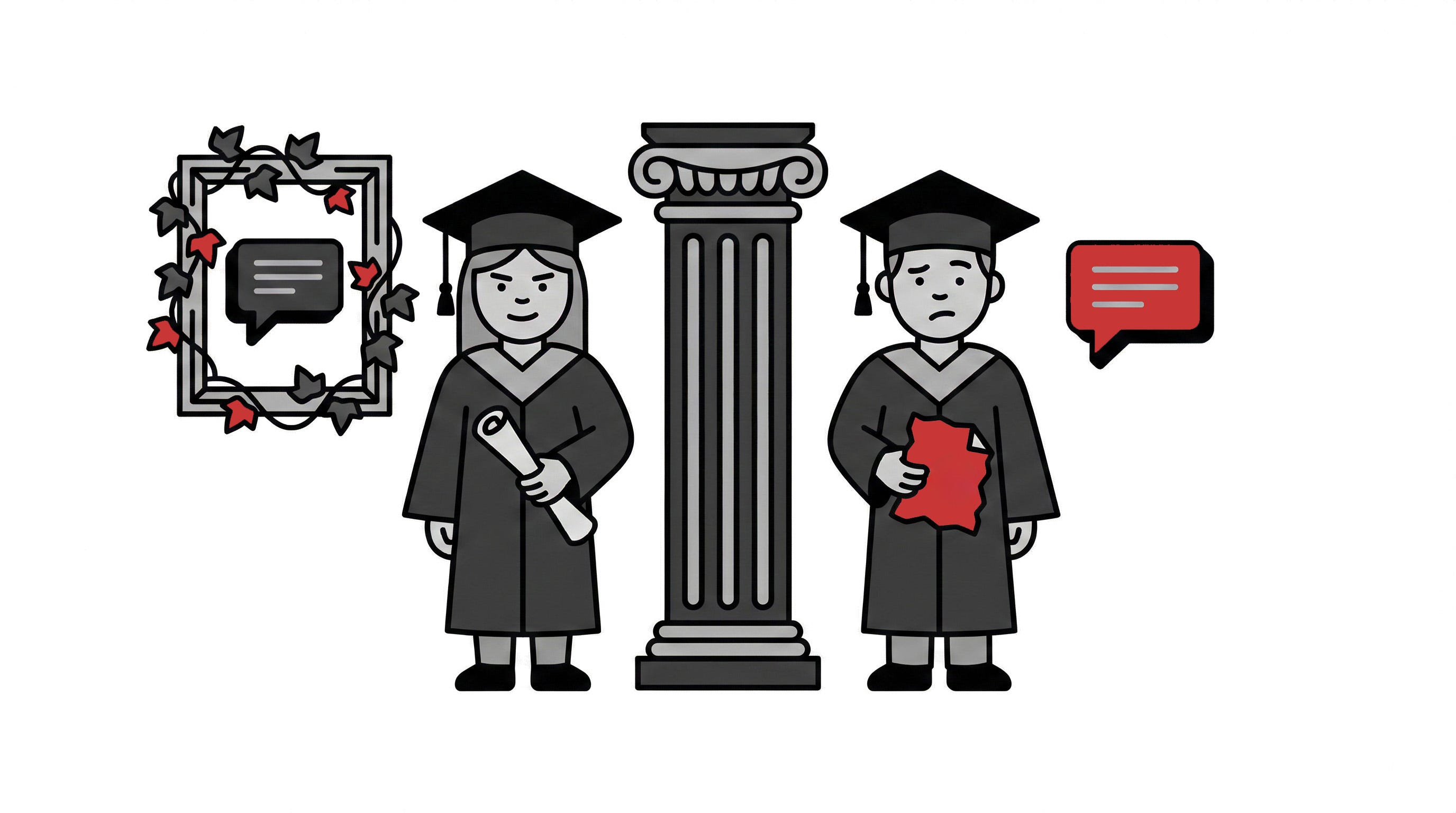
A student at Columbia used ChatGPT to complete their real estate finance homework. The assignments went faster. The process felt smoother. They were confident they understood the material.
Then they sat the follow-up exam.
They bombed it.
This wasn’t one student. It was a controlled study. The ChatGPT group consistently underperformed students who did the work the old way. Efficiency went up. Learning went down.
At the same time, across the river in Cambridge, something different was happening.
Harvard’s CS50 course built an AI tutor. Same underlying technology. Radically different result. Students described it as having a “personal tutor.” Teaching assistants stopped answering the same debugging question for the fortieth time and started having real conversations about computer science. Accuracy on course-specific questions nearly doubled compared to students using vanilla ChatGPT.
Two elite institutions. Same AI models. Opposite outcomes.
The difference wasn’t the technology. It was four conditions that determined whether AI helped or hurt. And after reviewing three years of experiments across all eight Ivy League schools, the pattern is unmistakable.
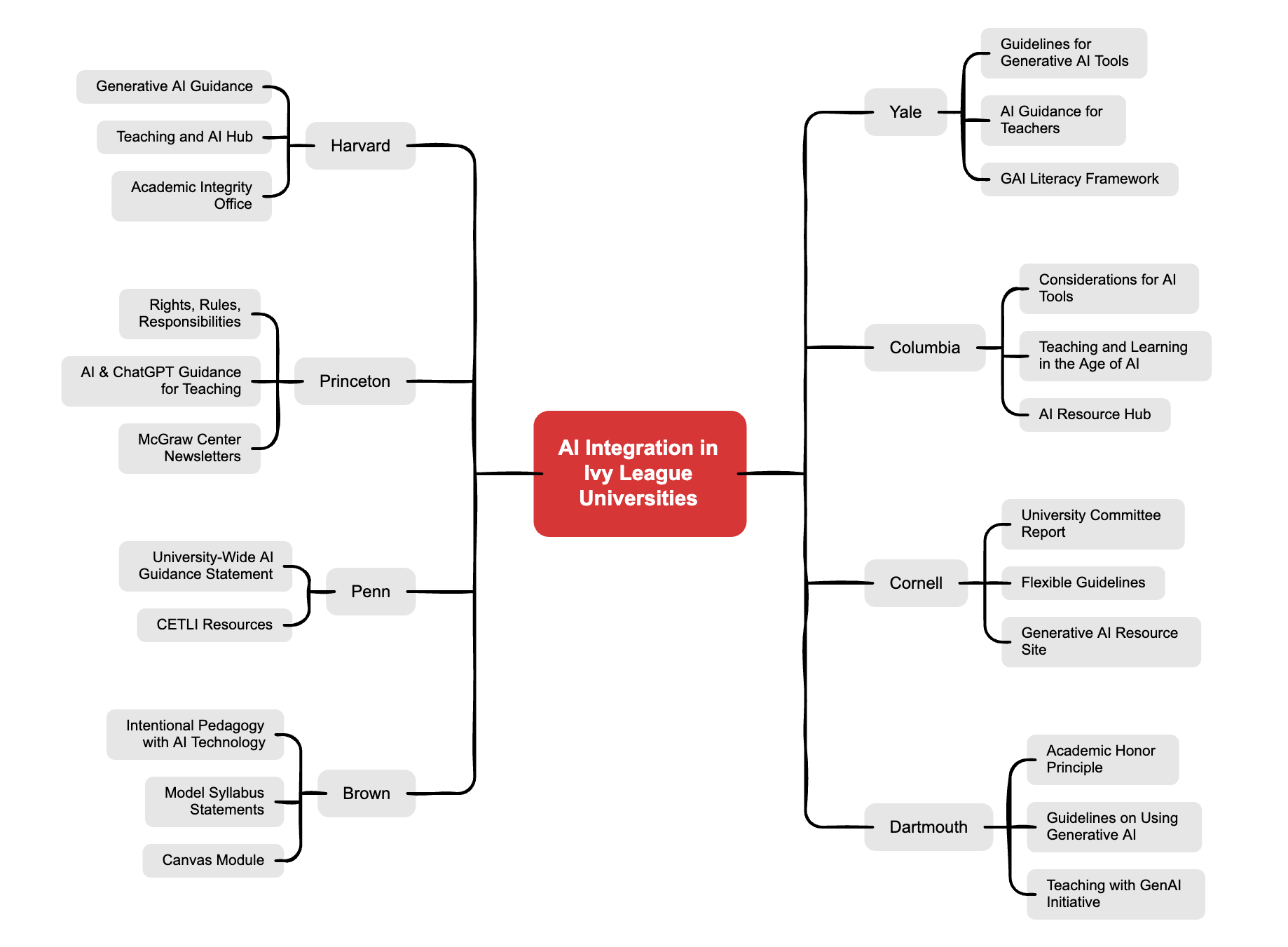
Here’s what’s frustrating: most businesses are running the Columbia playbook without knowing it. They’ve given teams access to ChatGPT, maybe written a vague policy about “using judgment,” and assumed the efficiency gains would translate to results.
They won’t. Not without the four conditions.
Inside the premium section, you’ll find:
The four conditions that predicted every win and every failure across 100,000 students
A framework for deciding which workflows should get AI and which shouldn’t
The 30-60-90 plan I’d hand to any operator starting tomorrow
The single “canary metric” that catches the Columbia problem before it compounds
Vendor traps hiding in contracts, and the questions that expose them
If you’re an internal operator, you’ll learn how to pitch a scoped pilot that won’t embarrass you when leadership asks for results.
If you’re a consultant, you’ll get a diagnostic you can run with clients to identify which of the four conditions they’re missing.
The full 25-page research synthesis is linked inside for those who want every case study, but the premium section gives you enough to act on Monday.
Download the full Ivy League AI report for all eight institutional case studies, source links, and detailed methodology.