By the end of this newsletter, you’ll have a complete personal operating system on your computer. Twenty files. Daily check-ins, weekly reviews, quarterly alignment, annual reflection. Built in under ten minutes. No coding required.
The system is self-guided. No complicated onboarding. No learning curve. You open a file, start talking, and it talks back. That’s it.
Your business has a strategic plan. After today, so do you.
The gap nobody mentions
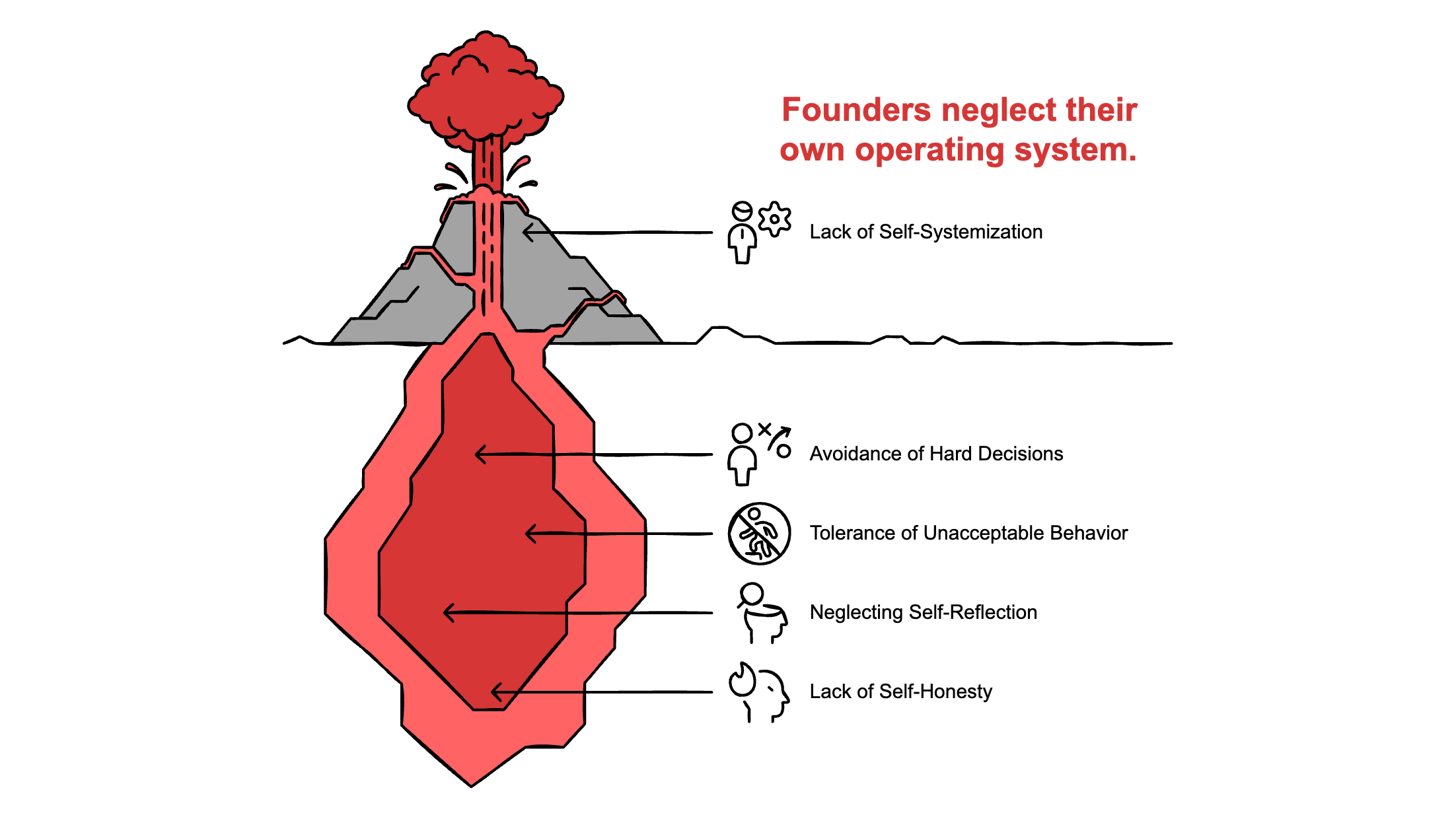
I’ve watched founders build dashboards for everything. CRM for customers. Analytics for revenue. Project management for tasks. Slack channels multiplying like rabbits.
But ask them about their own operating system and you get silence. Or worse, the same goal recycled from last January, scribbled on a Post-it that fell behind the desk in March.
The asymmetry is striking. You’ve systematised everything except the one system that determines whether any of the others matter.
What would change if you had a private space for ruthless self-honesty? A place to notice patterns before they become regrets. A structure that forces you to ask: What did I tolerate that I shouldn’t have? What hard decision did I avoid? What am I proud of that nobody else sees?
That’s what we’re building today. Twenty markdown files. No app. No subscription. Five minutes daily, scaling up when you need it.
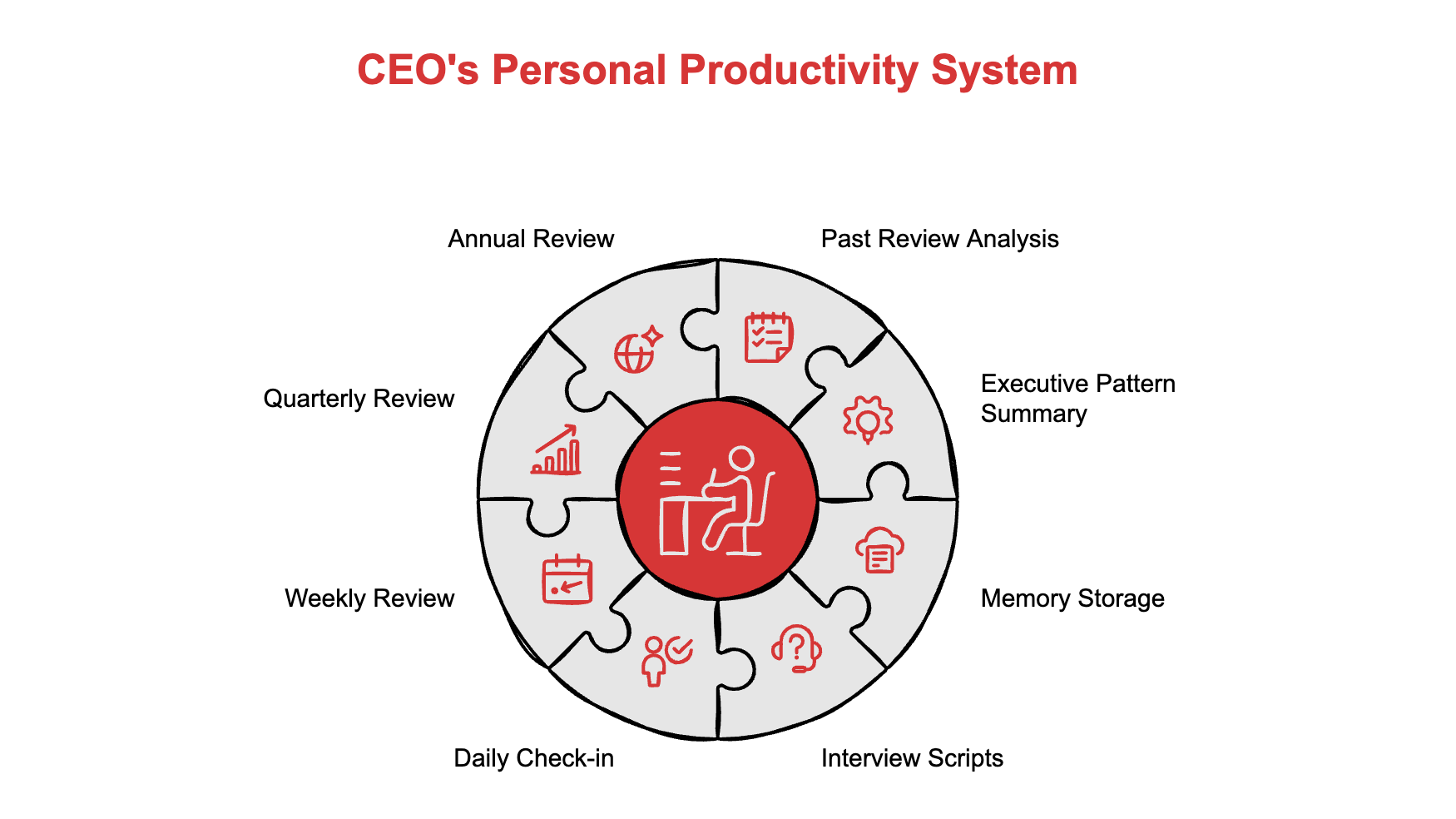
Claude Code will build a complete folder structure on your computer. The system includes daily check-ins, weekly reviews, quarterly alignment checks, and annual reflection templates.
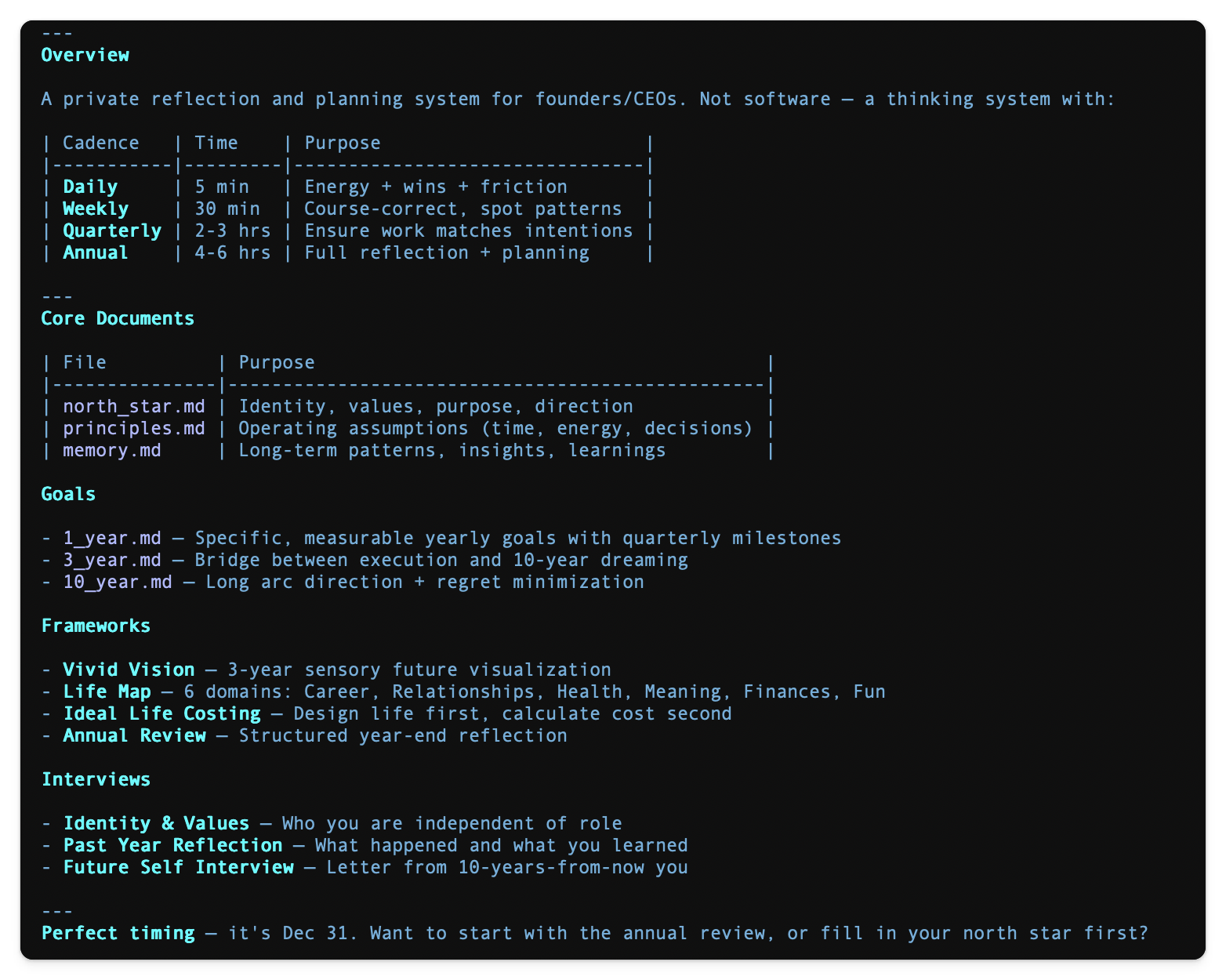
Cadence Time What it covers Daily 5 min Energy, one win, one friction point, one priority Weekly 30 min What moved the needle, what was noise, where time leaked Quarterly 2-3 hrs Goal progress, misalignment detection, course correction Annual 4-6 hrs Full reflection, life map update, next year’s intent
The system incorporates Dr. Anthony Gustin’s annual review approach, Tim Ferriss’s ideal lifestyle costing, and Alex Lieberman’s Life Map across six domains: career, relationships, health, meaning, finances, fun.
You cannot accidentally neglect your marriage while crushing your startup. The tradeoffs become visible.
But a reflection system is only useful if you can build it without hiring a developer. Here’s where it gets practical.
Stop wasting time on AI projects that fail. Premium members get proven strategies to win at work and save hours.
Installation for non-technical humans
The terminal is already on your computer. You’re opening it.
Mac: Press Command + Space, type “Terminal”, hit Enter.
Windows: Press the Windows key, type “PowerShell”, hit Enter.
You’ll see a blank window with a blinking cursor. That’s it. No installation yet. Just the tool you’ll paste commands into.
Step 1: Install Claude Code
Mac users, paste this and press Enter:
curl -fsSL https://claude.ai/install.sh | bash
Windows users, paste this and press Enter:
irm https://claude.ai/install.ps1 | iex
Wait thirty seconds. Text scrolls. When it stops, you’re done.
Edit: Mac users, one thing first
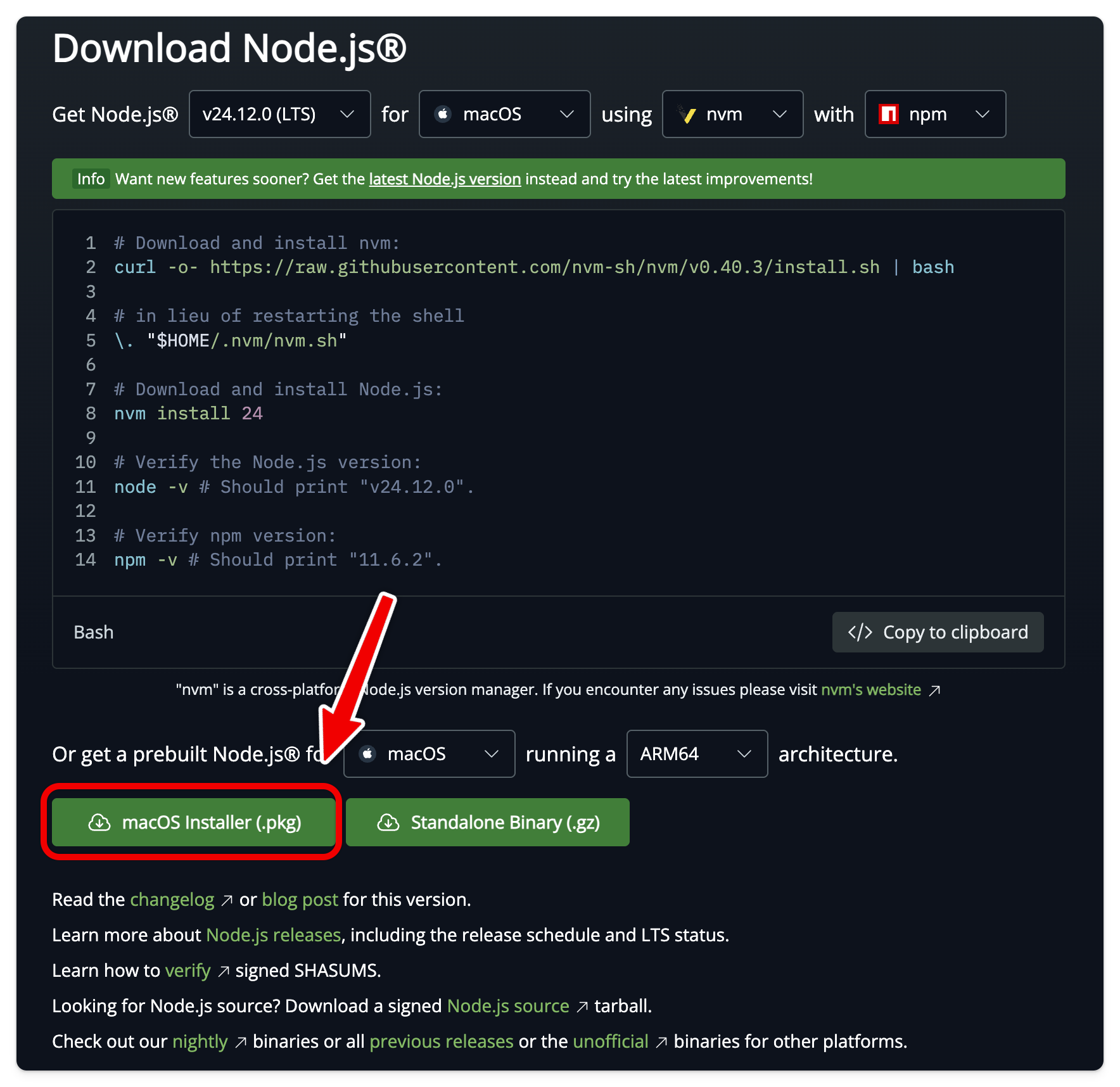
If you’ve never touched your Terminal before, you might be missing Node.js. Without it, the install will fail with “command not found.”
If you hit a permission error that says “operation was rejected by your operating system” or mentions EACCES, your Mac is blocking the install. Add “sudo” before the command to run it as an administrator:
sudo npm install -g @anthropic-ai/claude-code
It will ask for your password. Type it (nothing will appear on screen, that’s normal) and press Enter.
Step 2: Log in
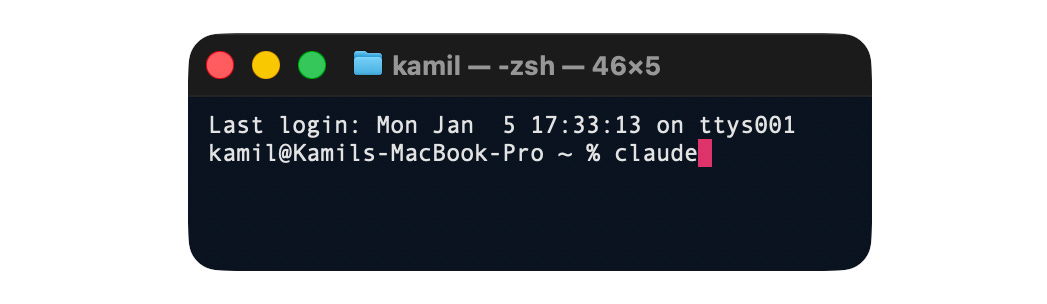
Type “claude” and press Enter. A browser opens. Log in with your Claude account (Pro, Max, or API credits). This happens once. Your credentials get stored.
Step 3: Navigate to Documents
Type this and press Enter:
cd ~/Documents
Step 4: Paste the prompt
Copy the entire block below. Paste it into the terminal. Press Enter. Claude Code will ask permission to create files. Type y and hit Enter.
In two to three minutes, you’ll have twenty files ready to use.
Most people will get blindsided by AI. Share this with someone you don’t want left behind.
I want you to autonomously build a PERSONAL PRODUCTIVITY SYSTEM for a CEO.

This is NOT a SaaS app, NOT a startup, and NOT a public-facing product. It is a private, single-user, high-trust personal operating system designed for a non-technical CEO, founder, or operator heading into the next year.

The purpose of this system is to help the user reflect, define goals, run daily and weekly check-ins, review past performance, design their ideal future, and maintain clarity without bureaucracy, dashboards, or productivity theater.

You are building a SYSTEM, not software.

Your output should feel like a thoughtful executive coach, a sharp chief of staff, a reflective mirror, and a gentle accountability partner — calm, direct, insightful, and psychologically safe.

Do NOT ask me any questions. Make reasonable assumptions and document them in the system itself.

The system must support daily check-ins, weekly reviews, quarterly goal reviews, annual reflection and planning, ingestion of past documents, guided self-interviews, framework-based thinking, and long-term life design — all using plain language, conversational prompts, markdown files, and a simple folder structure.

Incorporate and credit the following frameworks thoughtfully (adapt, do not plagiarize): Dr. Anthony Gustin's Annual Review framework, Tim Ferriss's Ideal Lifestyle Costing, Tony Robbins–style Vivid Vision thinking, and Alex Lieberman's Life Map (career, relationships, health, meaning, finances, fun). You may also include CEO energy management, a personal board of directors, regret minimization, and leverage vs effort analysis. Always explain frameworks in simple, CEO-friendly language.

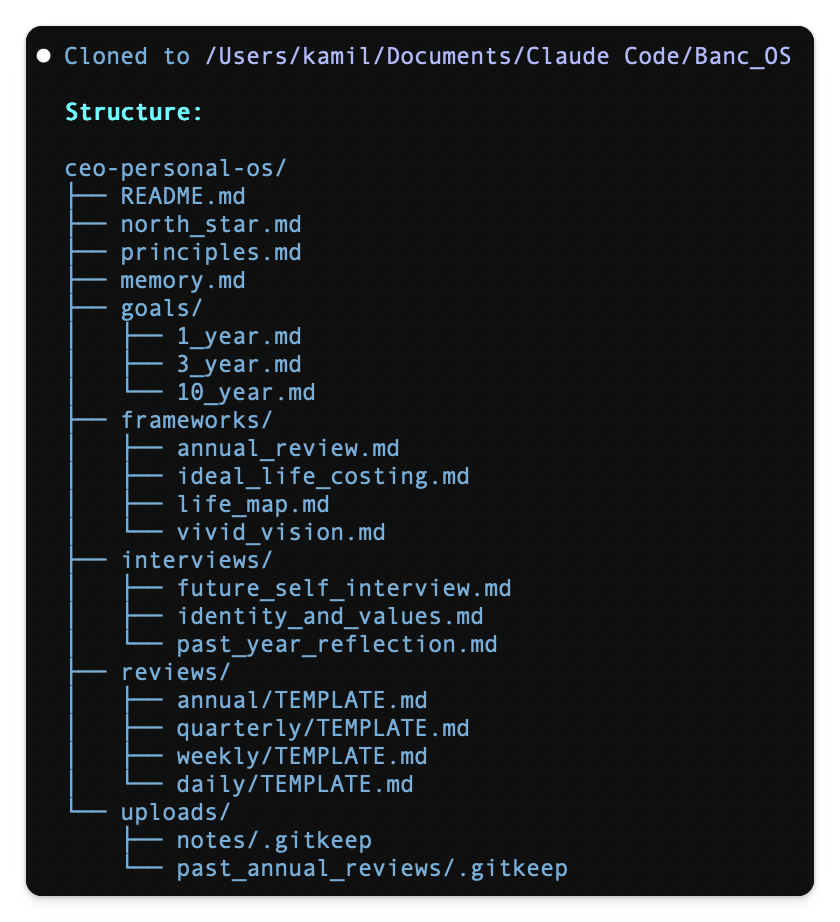
Create the following folder and file structure exactly:

ceo-personal-os/
README.md
principles.md
north_star.md
frameworks/annual_review.md
frameworks/vivid_vision.md
frameworks/ideal_life_costing.md
frameworks/life_map.md
interviews/past_year_reflection.md
interviews/identity_and_values.md
interviews/future_self_interview.md
reviews/daily/
reviews/weekly/
reviews/quarterly/
reviews/annual/
goals/1_year.md
goals/3_year.md
goals/10_year.md
uploads/past_annual_reviews/
uploads/notes/
memory.md

The system must allow the user to upload past annual reviews, performance reviews, or personal notes, summarize them, extract patterns (repeated goals, failures, strengths, blind spots, themes), generate a synthesized Executive Pattern Summary, store key insights in memory.md, and reference those insights in future check-ins and reviews.

Design interview-style scripts that ask calm, coach-like questions such as: "Tell me about the last year — highlights first." "What drained you the most?" "Where did you avoid hard decisions?" "What are you proud of that no one else sees?" "What would you not repeat under any circumstances?" "If this year repeated ten times, would you be satisfied?" These interviews should feel non-judgmental, insightful, and reflective.

Design a daily check-in that takes no more than five minutes and includes energy level, one meaningful win, one friction point, one thing to let go of, and one priority for tomorrow.

Design a weekly review that covers what moved the needle, what was noise, where time leaked, one strategic insight, and one adjustment for the next week.

Design a quarterly review that evaluates goal progress, detects misalignment, analyzes energy versus output, and guides course correction.

Design an annual review that uses a Gustin-style reflection, updates the Life Map, revisits Ideal Lifestyle Costing, refreshes the Vivid Vision, and produces a clear narrative of the past year and intent for the next.

Use a calm, executive-level tone. No hustle culture. No therapy speak. No corporate jargon. No productivity porn.

Produce fully written templates and prompts for all daily, weekly, quarterly, and annual reviews; all interviews; all framework explanations; and all goal documents. Everything must be editable in plain text.

Include placeholders so the system is adaptable to any CEO, such as [YOUR COMPANY], [YOUR ROLE], [YOUR STAGE OF LIFE], and [YOUR CURRENT PRIORITIES].

The README.md must explain exactly how a non-technical CEO uses this system daily, weekly, quarterly, and annually, and how to personalize it in under 15 minutes.

This is complete when a CEO can run Claude Code once, receive a complete personal productivity system, begin using it immediately with zero technical knowledge, and experience more clarity rather than more overwhelm.

Begin by creating the folder structure and README.md, then populate every file with thoughtful, high-quality content. Go.
What happens after you run it?
Open your Documents folder inside Claude code by just dragging it into the terminal window. You’ll find ceo-personal-os waiting. Inside: twenty files organized by purpose.
Ask Claude what to do next!
Start with README.md. It explains everything. Then fill in north_star.md. Run your first daily check-in tomorrow morning.
The compound interest of self-awareness adds up faster than you’d expect. Five minutes daily. Thirty minutes weekly. A few hours quarterly. One focused day annually.
Everyone in your company gets a performance review. Now you have yours.



Nice!
How do you run your first daily check-in?